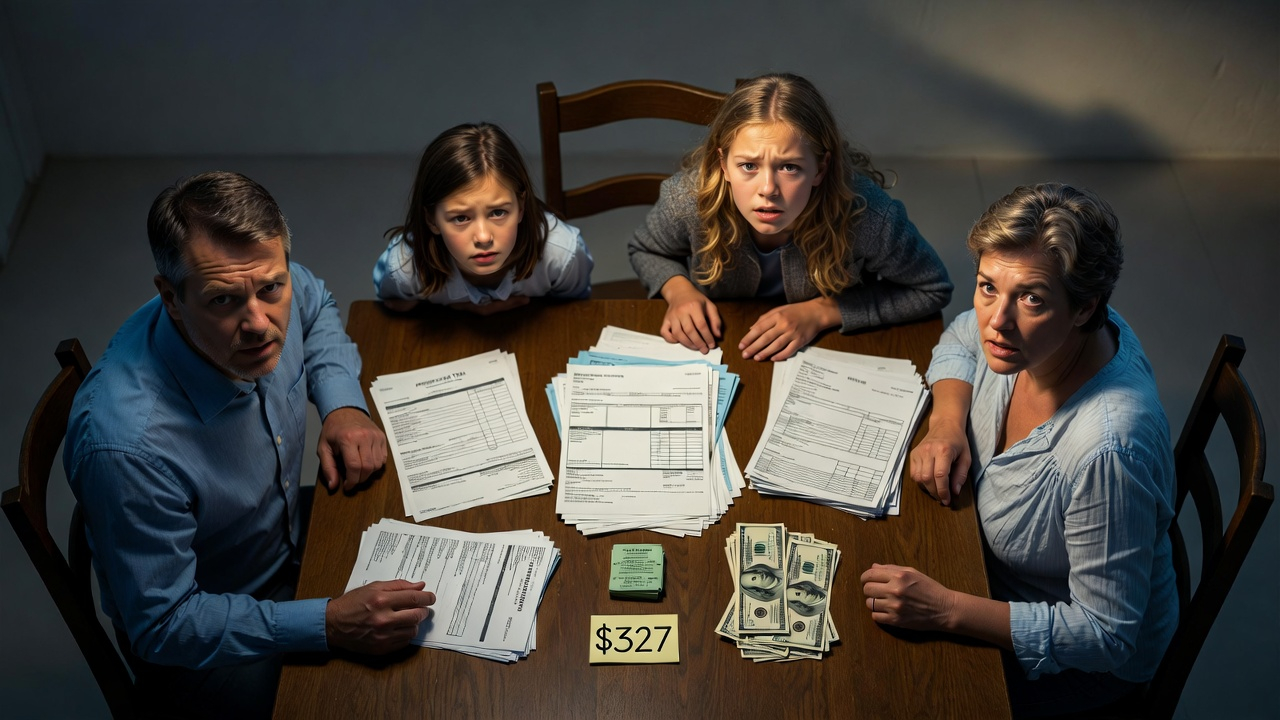


While working families absorb a 48% spending surge and a billion-dollar debt, Commissioners Smith and Neunder gave themselves an automatic raise.
There are two Sarasotas.
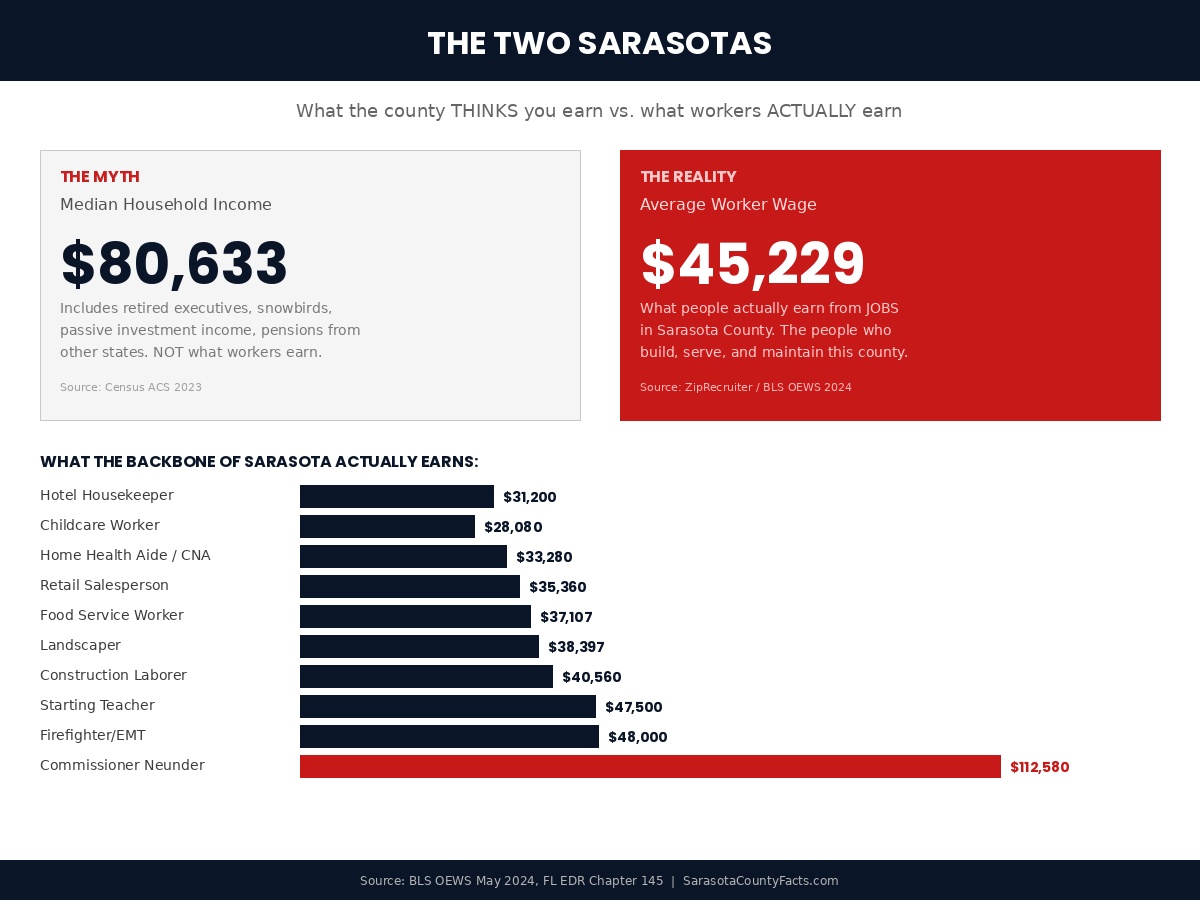
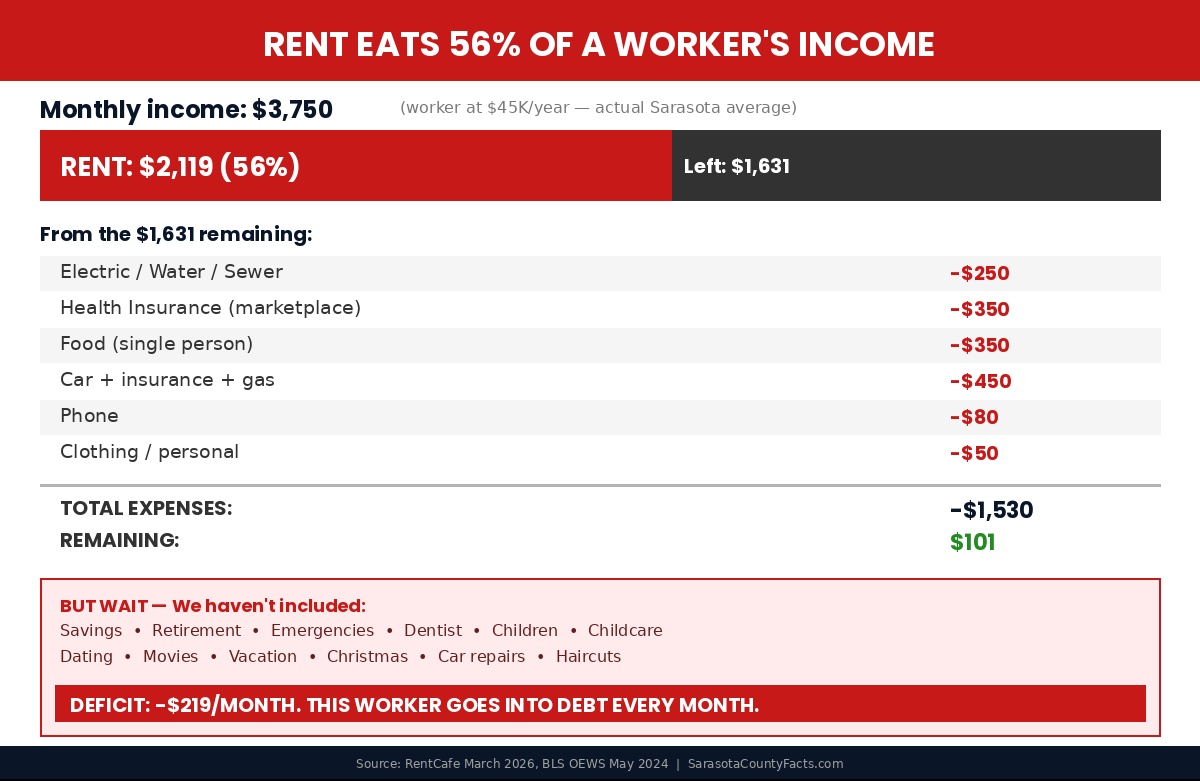
One gets up before dawn — the certified nursing assistant, the teacher, the firefighter, the landscaper, the line cook. In a good year it earns around the county's median household income of about $80,633. It pays its taxes, watches its bills, and cannot vote itself a raise. (U.S. Census, ACS.)
The other Sarasota sets the budget.

Here is what the first Sarasota now carries on its back. The county owes about $1.11 billion in bonded debt — $2,278 for every resident, roughly $5,000 per household — borrowed without a referendum. On top of that sits about $799 per resident in pension and retiree-health obligations. And county government now spends about $79 every second of every day. (Sarasota County CAFR FY2021–FY2025.)
Here is what the second Sarasota did for itself. A county commissioner now earns $112,580 — up 28% in six years. They never had to vote for those raises. The increase is automatic, written into a state formula tied to county population. The more they grow the county, the more they pay themselves. (State salary schedule.)


And grow it they did. Spending jumped 48% from FY2022 to FY2025 — six times faster than the 7.8% population growth. Bonded debt nearly doubled, up 76%. But here is the tell: the county payroll grew under 10% — barely faster than the population. So the explosion did not go to the people who answer your calls or fill your potholes. It went to contracts, consultants, borrowing, and monuments — like the $75.1 million administration center (Project 83203), approved 5-0 in January 2023 with Commissioner Smith seconding (Res. 2023-022) — a 122,000-square-foot facility that, per its general contractor, includes a television studio and a wellness center. The money grew. The service did not. (Board minutes, Jan. 31, 2023; CAFR; FY2026 Adopted Budget.)
Meanwhile, the cushion that protects the first Sarasota from the next hurricane is thinning. Across all county funds, reserves fell from 116% of annual spending to 89% in a single year, and the FY2026 budget appropriates $41.7 million out of the General Fund's reserves to make the math work. Revenue grew 3.5% last year while spending grew 27.8% — a gap that, left alone, becomes your tax increase. (CAFR.)
Two men presided over all of it: Commissioner Mark Smith (District 2) and Commissioner Joe Neunder (District 4) — the only two members of the current commission in office for the entire run-up. Every record budget. Every bond. And both are on the ballot August 18.

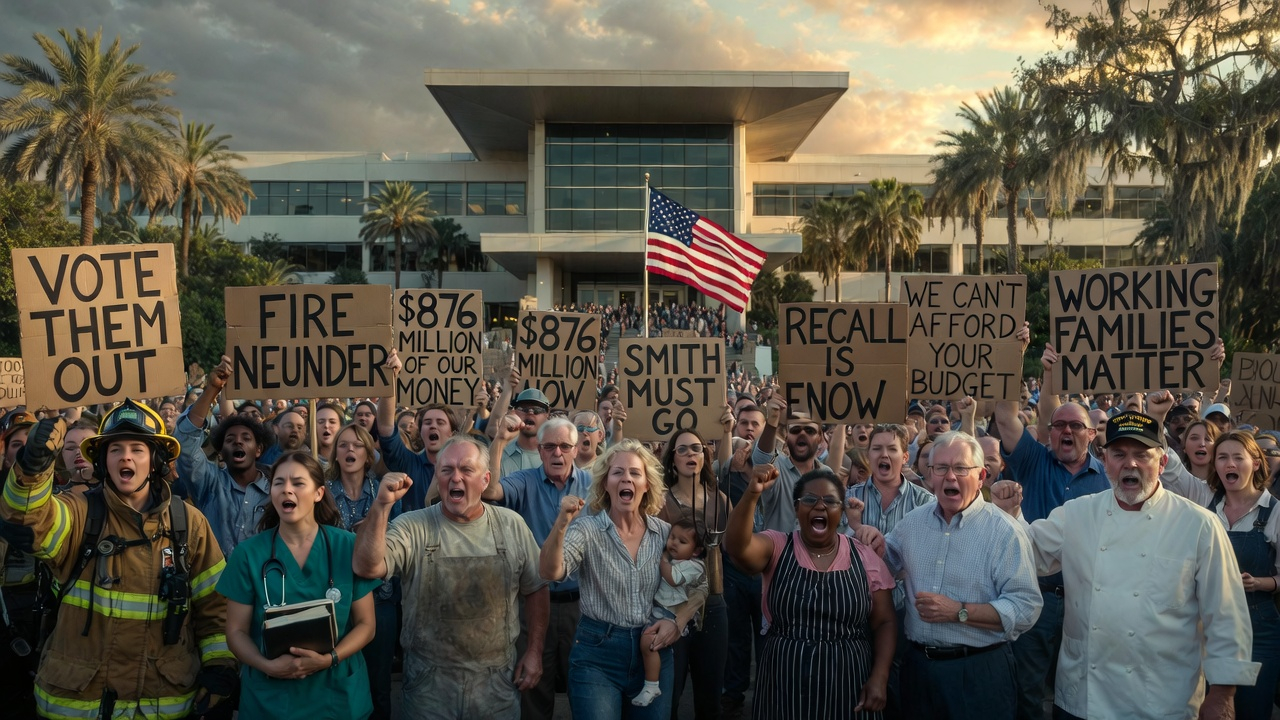
The first Sarasota finally gets a say. In District 2, Kristina Sargent is challenging Smith; in District 4, Jim DeNiro is challenging Neunder. We are not asking anyone to hand them a blank check — we will hold them to the same standard. But the question is simple: which Sarasota do Smith and Neunder actually work for?
Every number above is drawn from the county's own audited records. Read the derivations, then share this with a neighbor who's wondering why everything costs more. The Republican primary is August 18.
BY THE NUMBERS: Median household income $80,633. County debt $2,278/resident (~$5,000/household). $799/resident in retirement obligations. County spends $79/second. Commissioner pay $112,580, up 28% in six years on autopilot. Spending +48% and debt +76% since FY2022 vs +7.8% population — while the payroll grew under 10%. Reserves fell 116%→89%; the FY2026 budget draws $41.7M from reserves. Sources: U.S. Census ACS; Sarasota County CAFR FY2021–FY2025; FY2026 Adopted Budget.